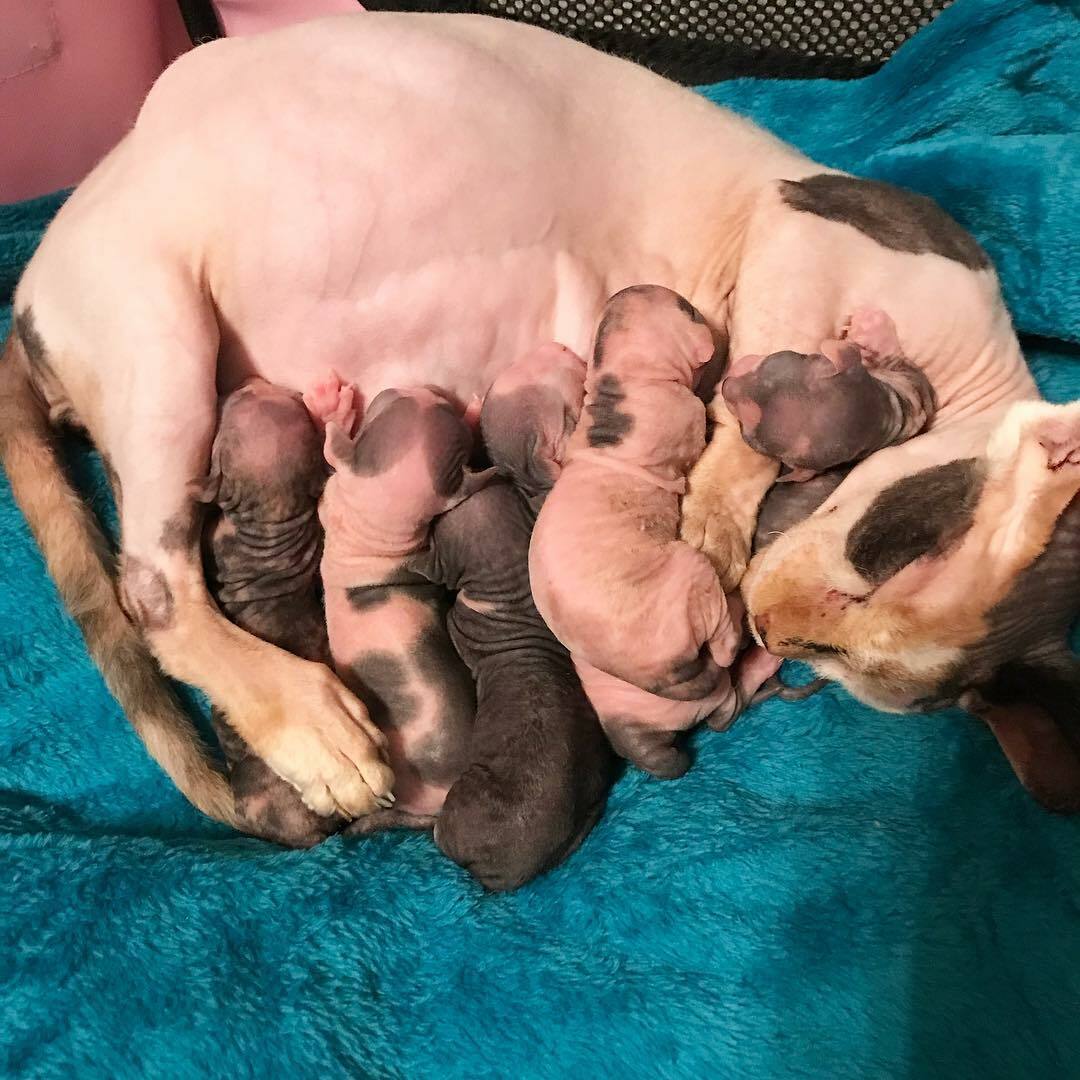
Sphynx Cat Adoption – Find Your Hairless Companion
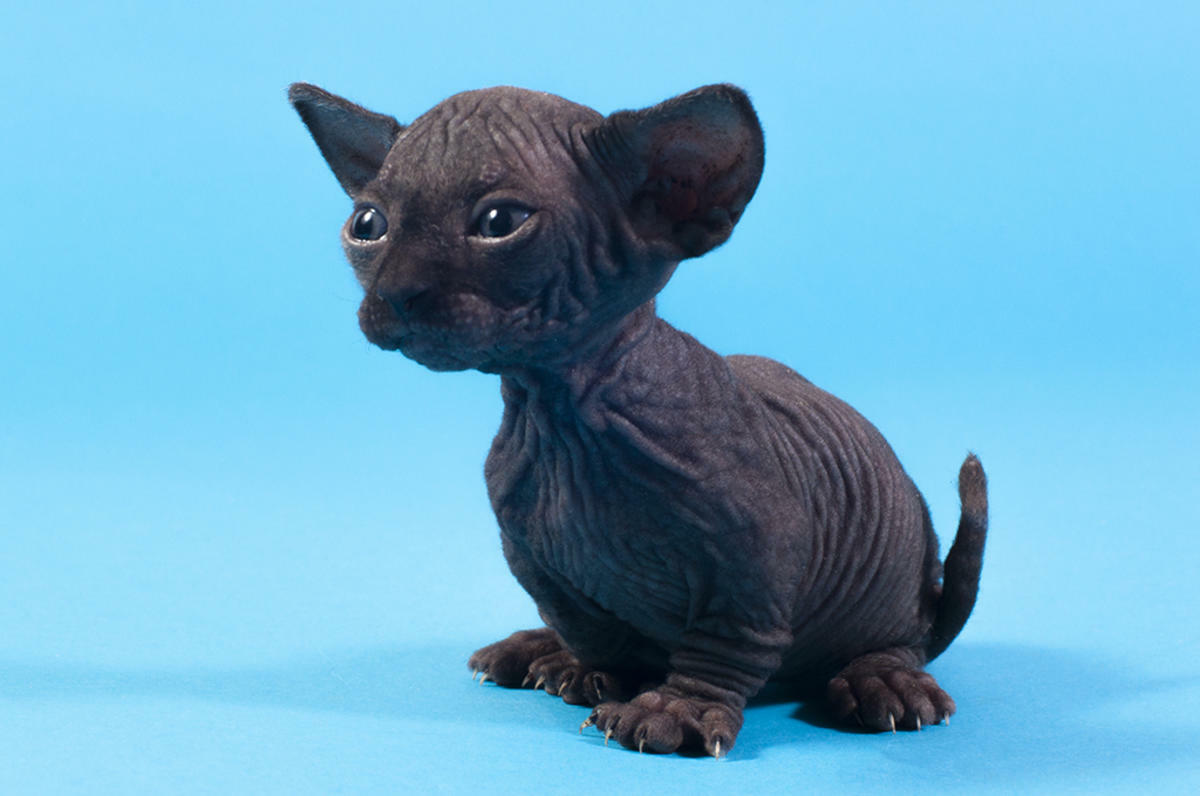
Sphynx Cat Adoption – Find Your Hairless Companion
Welcome to Charming Sphynx, your resource for learning about Sphynx cat adoption and finding the right hairless feline companion for your home. Whether you are hoping to adopt a Sphynx kitten, welcome an adult Sphynx cat, or explore responsible rehoming opportunities, taking the time to understand the breed is an important first step.
Sphynx cats are known for their distinctive hairless appearance, large ears, expressive eyes, and affectionate personalities. Many enjoy human companionship and being close to their families. Adoption can be a rewarding way to give a Sphynx cat a safe, loving, and permanent home.
Availability varies by location, and adoption listings can change quickly. Our goal is to help prospective adopters understand the process, recognize responsible placement practices, and prepare for the unique needs of this special breed.
Sphynx Kittens and Adult Cats for Adoption
When searching for Sphynx cats for adoption, you may encounter kittens, young adults, mature cats, or retired breeding cats looking for a new home. Each may be a wonderful companion, depending on your household, lifestyle, and experience with cats.
Sphynx Kittens for Adoption
Adopting a Sphynx kitten allows you to experience the early stages of your cat's development. Kittens need consistent feeding, socialization, veterinary care, playtime, and patient guidance as they grow.
Before adopting, ask about the kitten's age, veterinary examinations, vaccination and deworming records, health history, and the age at which the kitten can safely leave its mother. A responsible placement should prioritize the kitten's health and readiness rather than rushing the adoption.
Adult Sphynx Cats for Adoption
Adult Sphynx cats can be an excellent choice for individuals and families who prefer a cat with a more established personality. An adult cat may already be familiar with household routines, litter-box use, and human interaction.
Ask about the cat's temperament, previous living environment, compatibility with children or other pets, and any ongoing medical or skin-care needs. Understanding its history can help you create a smoother transition into your home.
Sphynx Rescue and Rehoming
Some Sphynx cats need new homes because of changes in their owners' circumstances, while others may be placed through rescue organizations or breed-specific rehoming networks.
Responsible rehoming should include honest disclosure of known health and behavioral concerns, veterinary documentation when available, and a careful process for matching each cat with a suitable household.
Where Can You Adopt a Sphynx Cat in the USA?
People searching for Sphynx cat adoption near them can explore several possible routes. Availability differs across states and cities, so confirm that any listing represents a genuine cat currently available for adoption.
- Breed-specific rescue groups: Look for established organizations that assist Sphynx cats or other hairless breeds.
- Local animal shelters: Contact shelters and ask whether they currently have Sphynx cats or can notify you if one enters their care.
- Cat rescue organizations: Some general feline rescues accept purebred cats and may occasionally have Sphynx cats needing homes.
- Responsible breeders offering rehoming: Some established breeders may help place retired adults or cats that need a different home. Ask about their rehoming process and the cat's history.
- Veterinary and community networks: Local veterinary clinics and reputable animal welfare groups may know of legitimate rehoming opportunities.
Search phrases such as “Sphynx cat adoption near me,” “Sphynx rescue in my state,” and “adult Sphynx cat for adoption” can help you discover local options. Always verify the organization, the cat's availability, and the adoption terms independently.
Sphynx Cat Adoption Across the United States
Prospective adopters can begin their search locally and expand to nearby regions if necessary. The locations below are useful search areas, not a claim that Charming Sphynx or a particular rescue currently has cats available in each place.
Northeast USA
Search for Sphynx adoption and rehoming opportunities in New York, New Jersey, Pennsylvania, Massachusetts, Connecticut, Rhode Island, Vermont, New Hampshire, and Maine.
Major search areas include New York City, Buffalo, Albany, Newark, Jersey City, Philadelphia, Pittsburgh, Boston, Worcester, Hartford, and Providence.
Southeast USA
Explore adoption resources in Florida, Georgia, North Carolina, South Carolina, Virginia, West Virginia, Kentucky, Tennessee, Alabama, and Mississippi.
You may also search around Miami, Orlando, Tampa, Jacksonville, Atlanta, Charlotte, Raleigh, Charleston, Richmond, and Nashville.
Midwest USA
Consider local shelters, rescue groups, and responsible rehoming networks in Illinois, Ohio, Michigan, Indiana, Wisconsin, Minnesota, Iowa, Missouri, North Dakota, South Dakota, Nebraska, and Kansas.
Search areas include Chicago, Columbus, Cleveland, Detroit, Indianapolis, Milwaukee, Minneapolis, St. Louis, Kansas City, and Omaha.
Southwest USA
Look for adoption opportunities in Texas, Arizona, New Mexico, and Oklahoma. Larger search areas include Houston, Dallas, Austin, San Antonio, Phoenix, Tucson, Albuquerque, and Oklahoma City.
Western USA
Explore local resources in California, Nevada, Oregon, Washington, Utah, Colorado, Idaho, Montana, Wyoming, and Alaska.
Search areas include Los Angeles, San Diego, San Francisco, Sacramento, Las Vegas, Portland, Seattle, Salt Lake City, Denver, and Anchorage.
Hawaii
Prospective adopters in Hawaii can contact local shelters and reputable animal welfare organizations to ask about Sphynx cats, breed-specific rescue referrals, and the requirements for bringing a cat to the islands.
If you cannot find a suitable Sphynx cat nearby, consider expanding your search radius rather than committing to an unverified online listing.
How to Adopt a Sphynx Cat Safely
Adopting a cat is a long-term commitment. A careful process helps protect both the adopter and the animal.
1. Research the breed. Learn about Sphynx temperament, indoor living requirements, grooming, nutrition, and veterinary needs.
2. Contact a legitimate organization or owner. Ask for clear information about the cat, its background, current location, and reason for adoption or rehoming.
3. Review health records. Request available veterinary records, vaccination history, parasite prevention details, and information about any known conditions. Ask whether the cat has received appropriate screening for hypertrophic cardiomyopathy (HCM), a heart condition of concern in Sphynx cats.
4. Meet the cat when possible. An in-person meeting or a live video call can help you assess the cat's environment, behavior, and identity. A video call alone is not proof that a seller or rescuer is legitimate.
5. Understand the adoption agreement. Review the adoption fee, included veterinary care, return policy, ownership-transfer documents, and any requirements imposed by the rescue or rehoming organization.
6. Prepare your home. Arrange a litter box, appropriate food, fresh water, scratching surfaces, comfortable bedding, toys, and a safe indoor space before bringing your new companion home.
7. Arrange a veterinary visit. Schedule a health check after adoption and follow your veterinarian's recommendations for preventive care, nutrition, dental health, and breed-specific screening.
Understanding Sphynx Cat Care Before Adoption
Although Sphynx cats appear hairless, they are not maintenance-free. Their skin requires attention, and their lack of a conventional coat makes temperature management especially important.
Skin and Ear Care
Sphynx cats can accumulate oils on their skin and may need gentle, appropriate cleaning. Their ears may also collect wax. Ask your veterinarian how frequently cleaning is appropriate for your individual cat, and avoid harsh products or excessive bathing that can irritate the skin.
Warmth and Sun Protection
Sphynx cats can become cold more easily than many coated cats. Keep them indoors in a comfortable environment, provide warm resting areas, and prevent prolonged direct sun exposure, which can cause sunburn. Clothing should be comfortable, safe, and supervised.
Nutrition and Hydratio